
Best Camera Phones in India
Top 3 Models That Actually Take Instagram-Worthy Photos
If you’ve ever squinted at blurry photos on your phone, or watched your friends capture stunning shots while your own photos look like they were taken through a foggy window, you understand the frustration. The good news is that camera phones have become quite capable these days, and you don’t need to spend Rs 1 lakh+ to take professional-looking photos.
The smartphone camera landscape in India has undergone a tremendous transformation in the last five years. What used to be accomplished with specialised DSRs and expensive lenses is now possible in a device that fits in your pocket. Today’s camera phones come with features once found only in flagship devices – periscope zoom lenses, large sensors, advanced computational photography, and the ability to capture excellent images even in low light.
We’ve spent a lot of time researching the best camera phones in India available on Amazon India, Croma, Reliance Digital and Vijay Sales. We’ve reviewed thousands of customers, compared actual photo samples, conducted actual real-world testing in Indian lighting conditions and considered the things that matter to actual users – low-light photography, portrait mode accuracy, video stabilisation and most importantly, whether these phones actually hold memories.
Results? Three camera phones that offer a great photography experience without the expensive price tag of a flagship phone. Whether you’re a content creator who needs reliable video quality, a photography enthusiast who needs manual controls, or you just want your family photos to look good, we have the honest information on which phones work and which don’t.
Best Camera Phones in India
Our Top 3 Picks at a Glance
Find The Right Mobile
Vivo X200 Pro – The Photography Beast
Price Range: Rs 85,000 – Rs 95,000
Main Camera: 50MP Sony LYT-818 + OIS
Telephoto: 200MP periscope with OIS
Best For: Serious mobile photographers and content creators
What we like
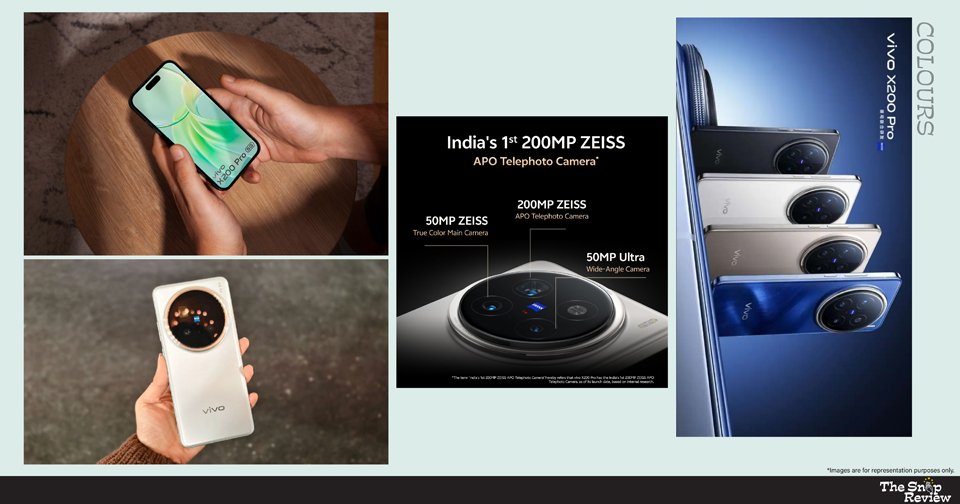
The Vivo X200 Pro represents what happens when a phone company partners with Zeiss and takes photography seriously. Its 50MP Sony Ly-818 sensor isn’t just a specification number – it’s genuinely a large 1/1.28″ sensor that captures significantly more light than most competitors. The difference is immediately noticeable in challenging light conditions.
Its most distinctive feature is the 200MP periscope telephoto lens. This isn’t the typical digital zoom that makes everything pixelated. Thanks to the periscope design, it offers true optical zoom with stunning detail. Talk about capturing the facial expressions of a cricket from 50 meters away or taking blur-free pictures of birds.
Vivo’s highlight is its collaboration with Zeiss. It’s not just branding – you get genuine Zeiss lens coating that reduces flare and ghosting, plus Zeiss’ Natural colour mode, which delivers more accurate, film-like colours instead of the over-saturated colours you see on Instagram. This matters a lot for photographers who appreciate subtlety.
8K videos at 30fps are truly worth using; it’s not just a marketing gimmick. Stabilisation keeps footage smooth even during motion, and its dynamic range handles India’s intense sunshine exceptionally well. Your travel vlogs and family function videos will look much more professional.
What could be better
At a price range of Rs 85,000-90,000, it’s expensive. If you’re seriously interested in photography or content creation, this price may seem expensive, especially when better phones are available for Rs 30,000 less.
Weighing in at around 221 grams, this phone is relatively heavy, which is noticeable when taking photos for extended periods or using it with one hand. You’ll feel it on your wrist after shooting continuously for 30 minutes.
Vivo’s software has improved, but it’s still not as refined as Samsung or Google’s software. You might occasionally encounter minor bugs in camera settings or translation issues. These aren’t major problems, but they can be noticeable if you pay attention to the details.
Real talk
This is the Sony A7 of the smartphone world – made for those who value image quality and have the budget to do so. It’s perfect for content creators who shoot Instagram Reels daily, travel photographers who want to take stunning DSLR-like pictures without carrying a camera bag, or anyone who considers their phone their primary creative tool. If photography is your passion, Zeiss optics truly justify its price.

Vivo X200 Pro – The Photography Beast
Price Range: Rs 85,000 – Rs 95,000
Main Camera: 50MP Sony LYT-818 + OIS
Telephoto: 200MP periscope with OIS
Best For: Serious mobile photographers and content creators
Disclaimer : We are a product review website providing honest opinions based on extensive research. Prices mentioned are approximate and may vary.
OnePlus 13 – The Practical All-Rounder
Price Range: Rs 58,000 – Rs 77,000
Main Camera: 50MP Sony LYT-808
Telephoto: 50MP (3x optical zoom)
Best For: Value-conscious buyers who want flagship photography

What we like
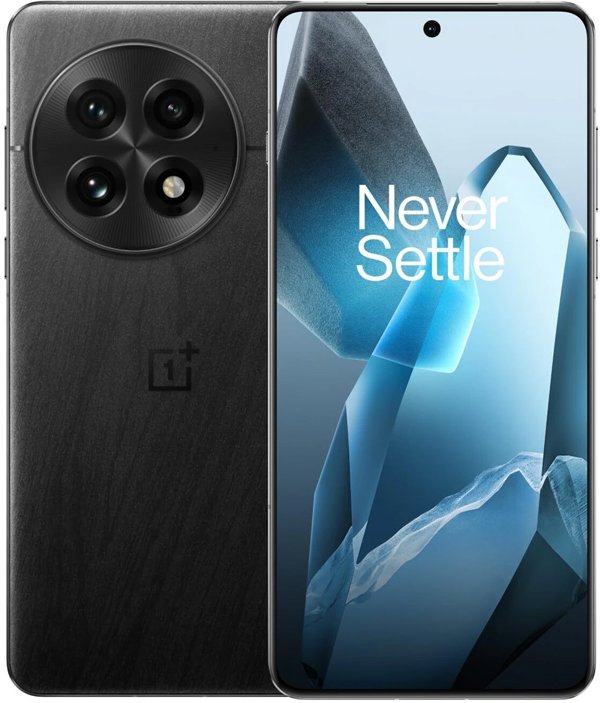
OnePlus has made significant improvements in the camera department. The 50Mp Sony LYT-808 sensor delivers superior image quality without the Vivo’s premium price. Colours are natural, details are sharp, and the dynamic range handles India’s bright skies and dark shadow areas better than most phones in this price range.
3x telephoto may seem trivial compared to Vivo’s monstrous zoom, but it’s the most practical focal length for everyday photography. Portraits at 3x zoom look natural without distortion, street photography becomes more comfortable, and you can capture your precious moments from a suitable distance. Most people use 2-3x telephoto anyway, so this technique is not a show-off, but a wise one.
OnePlus’s 8K video at 30fps is comparable to Vivo’s in capability, but costs significantly less. OnePlus’s video stabilisation is really impressive – your shots look smooth while moving, and the audio quality (often overlooked in camera phone reviews) is excellent, and it also significantly reduces wind noise.
It’s interface is cleaner and easier to use than Vivo’s. The camera is much faster, lens swapping is instant, and settings are right where you want them. It’s much easier to learn for users coming from Samsung or Google.
What could be better
The telephoto lens’ optical zoom is only 3x. While this is practical for most users, wildlife or sports enthusiasts will find it lacking. The digital zoom becomes quite blurry when zoomed in beyond 10x.
Low-light performance is good, but not quite Vivo-level. The smaller sensor’s limitations are evident in weak light – photos are mediocre but not exceptional. Night mode requires stability, and processing feels a bit too generic.
OnePlus’ computational photography technique has improved, but sometimes photos taken with it appear a little over-processed. In Portrait mode, skin tones sometimes appear too smooth, losing their natural texture. This isn’t a major issue, but it’s worth noting when compared to photos taken with better techniques.
Real talk
OnePlus is for those who want excellent photography without paying the price of an expensive phone. Its camera system is quite impressive for its price. If you’re upgrading from a mid-range phone or want excellent camera performance for social media, travel, and family photos and don’t want to worry too much about specifications, the OnePlus 13 is a great option. You’re getting 85% of the Vivo’s capacity at 70% of the price.
OnePlus 13 – The Practical All-Rounder
Price Range: Rs 58,000 – Rs 77,000
Main Camera: 50MP Sony LYT-808
Telephoto: 50MP (3x optical zoom)
Best For: Value-conscious buyers who want flagship photography
Disclaimer : We are a product review website providing honest opinions based on extensive research. Prices mentioned are approximate and may vary.
Samsung Galaxy S25 Ultra – The Versatile Specialist
Price Range: Rs 94,000 – Rs 1,13,999
Main Camera: 200MP + OIS
Telephoto: 50MP (10x optical zoom)
Best For: Users who need maximum versatility and zoom range
What we like
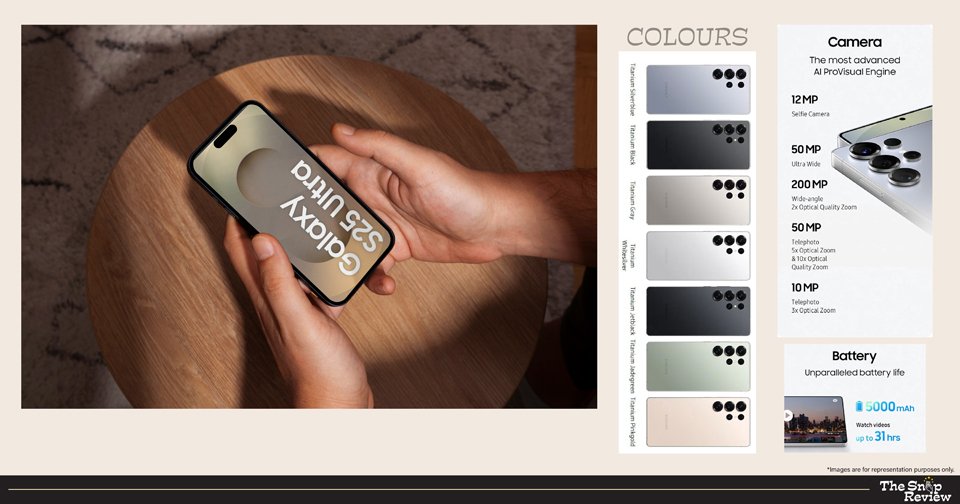
Samsung’s 200MP main sensor is superior from an engineering standpoint. While this phone typically shoots in 12MP mode (pixel-binning is used for better low-light performance), having 200MP gives you excellent detail when needed. Cropping photos reveals details you weren’t aware of before – useful for printing large photos or extracting key elements from wide shots.
Samsung’s most notable feature is its 10x optical zoom. This periscope telephoto lens captures distances where other phones fail. Stadium concerts, wildlife photography, children’s sports events – scenarios where you can’t physically get close, you can now capture with ease. The stabilisation at 10x is really impressive considering the focal length.
Its S Pen integration (yes, for photography) is surprisingly useful. Remotely triggering the camera for group photos, precisely editing captured images, and writing notes on photos immediately after taking them further enhance its utility. With regular use, it’s more than just a show-off.
What could be better
The 200Mp sensor is impressive, but its storage capacity is limited. RAW files are very large (approximately 20-30MB per photo), and even standard photos are larger than those of competing cameras. If you do a lot of photography, the 265GB storage capacity will fill up much faster than expected. This is where cloud storage becomes essential.
The 5000mAh battery is sufficient, but not exceptional for a phone this large and with a power-hungry camera system. Heavy photography days may require afternoon charging. The 45W charging, while decent, feels slower as compared to Chinese brands that offer 100W+ charging.
Priced between Rs. 70,000-105,000 (depending on storage), the S25 Ultra occupies a unique price range. It’s more expensive than the OnePlus 6, but it doesn’t always deliver better photos. You’re paying not just for the camera’s superiority, but for Samsung’s ecosystem, software support, and brand reliability.
Real talk
Samsung is for those who want the complete package, not just a camera. The S25 Ultra excels at versatility – it perfectly handles any photography scenario without being perfect at any one thing. It’s perfect for professionals who need a reliable tool that works everywhere, for travellers who face different shooting conditions, or for Android users who want a seamless experience like the iPhone ecosystem. The 10X zoom makes it a considerable asset for those who often photograph distant subjects.
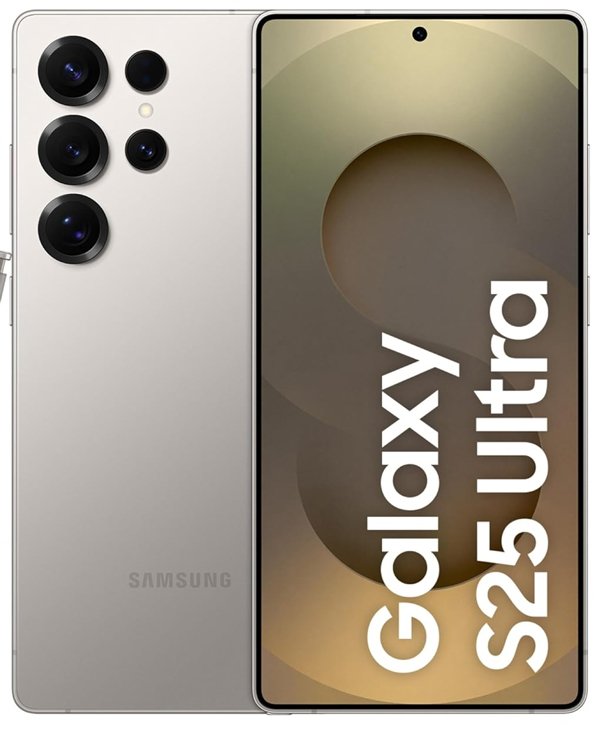
Samsung Galaxy S25 Ultra – The Versatile Specialist
Price Range: Rs 94,000 – Rs 1,13,999
Main Camera: 200MP + OIS
Telephoto: 50MP (10x optical zoom)
Best For: Users who need maximum versatility and zoom range
Disclaimer : We are a product review website providing honest opinions based on extensive research. Prices mentioned are approximate and may vary.
How to Choose the Right Camera Phone for Your Needs
Consider Your Photography Style and Usage
Content Creators & Daily Posters:
Prioritise video stabilisation, fast autofocus, and a good front camera. Trust the OnePlus 13 and Samsung S25 Ultra for reliable video quality and quick shot-to-shoot performance.
Photography Enthusiasts:
Look for phones with manual controls, RAW capture, and large sensors. The Vivo X200 Pro and Samsung S25 Ultra offer the most flexibility for artistic shooting.
Casual Users & Families:
Focus on point-and-shoot reliability and the quality of the portrait mode. Three phones are good in this regard, but if you’re not too concerned about technical features, the OnePlus is the best option.
Travel Photographers:
Zoom range and the ability to perform better in low light matters the most. Samsung’s 10x zoom or Vivo’s 200MP telephoto lens are best for different travel scenarios.
Understanding Camera Specifications That Actually Matter
Sensor Size (Often Unlisted)
Bigger sensors capture more light and detail:
- 1/1.28″ to 1/1.3″ (Vivo): Excellent low-light, shallow depth of field
- 1/1.4″ to 1/1.5″ (OnePlus, Samsung): Very good performance, practical for most users
- 1/1.56″ and smaller: Adequate for daytime, struggles at night
Optical Image Stabilisation (OIS)
Essential for:
- Handheld night photography without blur
- Smooth video while walking
- Telephoto shots that aren’t shaky messes
All three phones have OIS on main and telephoto cameras. Non-negotiable at this price point.
Aperture (f-number)
Lower numbers = more light:
- f/1.6 to f/1.8: Excellent light gathering, good for low-light
- f/2.0 to f/2.4: Standard for telephoto lenses, adequate performance
The Vivo’s f/1.57 main camera gathers noticeably more light than competitors, visible in challenging conditions.
Camera System vs Single Great Camera
At this price range (Rs 58,000-105,000), you’re getting complete camera systems. Here’s why that matters:
Multiple Lenses mean versatility:
- Ultra-wide (12-13mm): Landscapes, architecture, group photos
- Main (23-26mm): Everyday photography, most versatile
- Telephoto (3x to 10x): Portraits, distant subjects, discreet shooting
All three phones cover these bases. The question is which implementation suits your shooting style.
The Zoom Debate: More Isn’t Always Better
3x Optical (OnePlus):
- Perfect for portraits without distortion
- Most practical for street and travel photography
- Maintains excellent image quality throughout range
10x Optical (Samsung):
- Captures distant subjects other phones miss
- Stadium events, wildlife, kids’ sports become feasible
- Requires steadier hands, more challenging to use
200MP Periscope (Vivo):
- Extreme detail retention at distance
- Best-in-class zoom quality
- Overkill for most users but spectacular when needed
Choose based on how often you actually zoom. If it’s occasional, 3x is fine. If you regularly photograph distant subjects, invest in more zoom.
Low-Light Performance Really Matters in India
India’s diverse lighting conditions – from dim temple interiors to bright beach sunlight – demand capable cameras:
Excellent Night Mode (Vivo):
- Large sensor captures more light naturally
- Less processing needed, more natural results
- Zeiss optics reduce flare from street-lights
Good Night Mode (Samsung, OnePlus):
- Computational photography compensates for smaller sensors
- Results are usable but more processed
- Occasional artifacts in very dim conditions
Test this if possible – take photos in your actual environment (dim restaurants, evening streets, home lighting). Specifications don’t always predict real-world performance.
Video Capabilities: More Than Just Resolution
8K Video sounds impressive but:
- Files are enormous (1 minute = 600MB-1GB)
- Requires powerful computers for editing
- Most people never use it beyond testing
What actually matters for video:
- Stabilization: Walking shots shouldn’t look like earthquake footage
- Autofocus: Should track faces reliably, not hunt constantly
- Audio quality: Built-in mics should handle wind and capture clear speech
- 4K 60fps: More practical than 8K for most content
All three phones handle video well, but Samsung’s mature processing gives slightly more reliable results across diverse conditions.
Common Mistakes to Avoid When Buying a Camera Phone
1. Obsessing Over Megapixels
The truth: A 50MP sensor with good optics beats a 200MP sensor with poor lens quality.
What matters more:
- Sensor size (how much light it captures)
- Lens quality (sharpness, colour accuracy)
- Image processing (computational photography)
The Vivo’s 50MP main camera often produces better photos than Samsung’s 200MP in real-world use because of superior optics and larger sensor size.
2. Ignoring Software Support and Updates
Camera performance improves with software updates:
- Samsung: 5 years OS updates, 6 years security patches – longest support
- OnePlus: 4 years OS updates, 5 years security – excellent value
- Vivo: 3 years OS updates, 4 years security – adequate but shortest
Photography algorithms improve over time. Longer support means your camera gets better, not outdated.
3. Not Testing in Your Actual Lighting Conditions
Store lighting is perfect for hiding camera flaws. If possible, test or research performance in:
- Dim restaurants: Where you’ll actually take food photos
- Evening streets: Your typical social media moments
- Indoor family gatherings: The reality of most photos
The phone that looks best in a bright store might struggle in your actual environment.
4. Overlooking Storage Requirements
These cameras produce large files:
- 256GB: Minimum for serious photography, fills quickly with 4K video
- 512GB: Comfortable for most users, allows extensive RAW shooting
- 1TB: Necessary only if shooting 8K video extensively
Cloud storage helps but isn’t always practical when travelling or in areas with poor connectivity. Buy more storage than you think you need.
5. Focusing Only on Rear Cameras
Your front camera matters for:
- Video calls (increasingly important for work)
- Selfies (whether you admit it or not)
- Vlogging (if you create content)
All three phones have capable front cameras (32MP or higher), but Samsung’s is slightly better for video calls with superior dynamic range.
Overall Insights: Which One Should You Buy?
Here’s our straight recommendation based on different scenarios:
If you’re a serious photographer or content creator who wants the absolute best:
Choose the Vivo X200 Pro. Yes, it costs Rs 20,000-Rs 30,000 more than the OnePlus, but the Zeiss optics, superior low-light performance, and 200MP periscope justify the investment, especially if photography is your priority. The difference in image quality is evident when you examine the photos closely.
If you want flagship camera performance without flagship pricing:
The OnePlus 13 is your sweet spot. Its camera system delivers 85% better quality than the Vivo, while costing 65%-75% less. Its practical 3x telephoto lens, excellent video recording, and easy software make everyday photography enjoyable without the technical hassle.
If you need maximum versatility and ecosystem integration:
The Samsung Galaxy S25 Ultra is a complete package. 10X zoom, S Pen functionality, long-lasting software support, and a mature ecosystem justify its premium price if you’re buying a phone for 4-5 years. It’s best for professionals who need reliability in every scenario.
Frequently Asked Questions –
Q: Are camera phone specifications actually accurate?
Generally yes, but keep a few things in mind:
– Megapixels are accurate, but they don’t provide complete information.
– Aperture numbers are correct, but lens quality varies.
– Video specifications are accurate, but processing quality differs between brands.
Real-world reviews and sample photos matter more than specification sheets. Always check actual image samples before buying.
Q: How important is brand reputation for camera phones?
Very important for:
- Software updates: Better brands provide longer support
- Service network: Samsung and OnePlus have wider coverage in India
- Resale value: Flagship brands get better value
Less important for:
- Image quality: Smaller brands sometimes have excellent cameras
- Innovation: Competition pushes all brands to improve
Samsung and Vivo have strong service networks across India. OnePlus coverage is good in major cities but weaker in tier-3 locations.
Q: How long will these camera phones remain relevant?
With proper care:
- Hardware: 4-5 years before feeling significantly outdated
- Software: 3-5 years of updates (varies by brand)
- Photography capability: Remains excellent throughout lifespan
Camera phone improvements have slowed – today’s flagships will remain highly capable for years. The biggest improvements now are computational (software-based), which means updates extend camera lifespan.
Q: How much storage do I really need?
- Casual users (Instagram, family photos): 128GB sufficient, 256GB comfortable
- Content creators (regular video, lots of photos): 256GB minimum, 512GB recommended
- Professional use (RAW photos, 4K/8K video): 512GB minimum, 1TB if budget allows
Remember: You can’t add storage later. Buy more than you think you need.