Best Tablets in India 2026
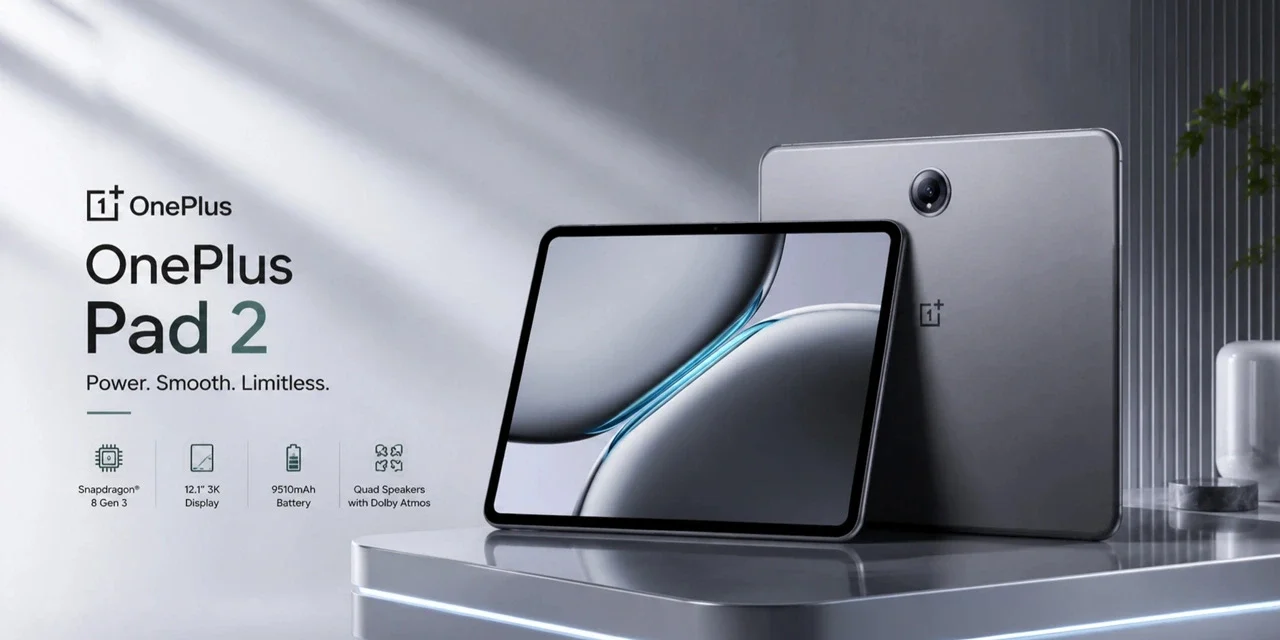
OnePlus Pad 2 – The Value Flagship
Price: Rs.35,999
Display: 12.1” 144Hz LCD
Processor: Snapdragon 8 Gen 3
Battery: 9,510 mAh
Best For: Android power users, display quality, multimedia
What we like –
OnePlus has created something truly special – offering flagship specifications at a price point lower than Samsung’s premium tablets and even Apple’s iPad Pro. Its Snapdragon 8 Generation 3 is one of the most powerful mobile processors and OnePlus hasn’t compromised on its performance. This tablet handles every task with ease – gaming on high settings, video editing, running multiple apps simultaneously or seamlessly switching between dozens of browser tabs.
OnePlus’ gaming potential shines through in its 12.1-inch 144Hz display. It’s incredibly smooth refresh rate makes scrolling, gaming and every screen motion incredibly smooth. Once you experience 144Hz, the standard 60Hz display will be a hit. This display is truly fantastic for gamers, content creators, or anyone who enjoys smooth visuals.
The 9,510 mAh battery delivers a solid all-day performance. You get 7-9 hours of mixed usage backup, which is enough for a full work day or a long trip. The 67W fast charging goes from 0 to 100% in about 80 minutes, which means you can work comfortably for a long time with a quick charge during lunch.
OnePlus’ OxygenOS is one of the cleanest Android skins out there. It’s very close to stock Android, but adds useful features instead of unnecessary software. It’s interface is intuitive, performance remains smooth over long periods of time and OnePlus has included genuinely useful features without overwhelming you with options you’ll never use.
The build quality feels premium. The metal chassis, slim profile and attention to finishing details makes this tablet feel much more expensive than what it’s price suggests. OnePlus has invested in making this tablet feel like a flagship, not a budget tablet.
What could be better –
Like other Android tablets, OnePlus faces app ecosystem challenges. Many apps are largely a phone interface rather than providing a tablet-optimised experience. While the core apps work fine, the polish and optimised capabilities found on the iPad aren’t consistently present in Android apps.
Speaker quality is decent, but not on par with an iPad or Samsung’s premium tablet. The speakers aren’t very impressive for media viewing. Using external speakers or headphones significantly improves the audio experience.
OnePlus’ commitment to software updates is improving; but it’s not as good as Apple’s. You’ll get 3-4 years of updates from OnePlus, compared to 5-6 years of updates from the iPad. For those planning to use their tablet for many years, this difference matters.
Despite its superior LCD display, it doesn’t offer the deep blacks and contrast of an AMOLED panel. AMOLED’s deep blacks are especially important for watching movies with dark scenes or working in dark environments. If display quality is your absolute priority, the Galaxy Tab’s AMOLED display may be worth the extra price.
Compared to the iPad or Samsung, accessories are limited for the OnePlus Pad 2. It can be quite a search to find high-quality cases, keyboards or styluses specifically designed for the OnePlus Pad 2. The accessories ecosystem isn’t as developed.
Real talk –
The OnePlus Pad 2 is a tablet that meets every need – it is powerful enough for serious work and gaming, priced so reasonably that you don’t need to save up for months and has a premium design that makes daily use a breeze. It’s perfect for Android users who want flagship-like performance but not a flagship-like price, gamers who appreciate a 144Hz display or anyone who needs a powerful tablet for productivity and entertainment without being tied to the Apple ecosystem. At Rs. 36,999 you get tremendous value – its specifications are at par or even better than devices that cost much more.
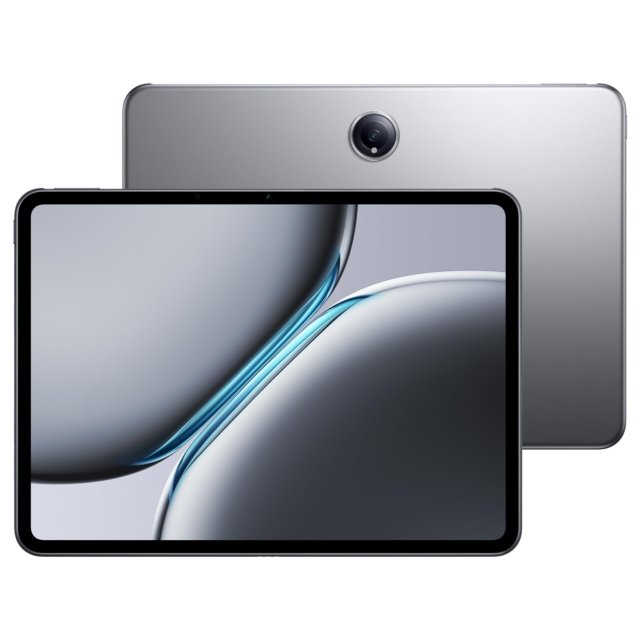
OnePlus Pad 2
Price: Rs.35,999
Display: 12.1” 144Hz LCD
Processor: Snapdragon 8 Gen 3
Battery: 9,510 mAh
Best For: Android power users, display quality, multimedia
Disclaimer : We are a product review website providing honest opinions based on extensive research. Prices mentioned are approximate and may vary.
How to Choose the Right Tablet for Your Needs
1. Consider Your Primary Use Case –
For creative work (design, video editing, illustration): You need processor power, a display with accurate colour reproduction, and professional apps. Premium tablets equipped with flagship chips are the right choice.
For media consumption (streaming, reading, browsing): A large screen and long battery life are more important than processing power. Mid-range tablets handle these tasks very well.
For productivity (documents, presentations, multitasking): You need high-speed performance and good multitasking capabilities. Look for tablets that feature flagship processors and support for desktop mode.
For students (online classes, notes, assignments): If creative apps are essential for you, choose based on the quality of the app ecosystem; and if budget is the primary concern, prioritize battery life and value.
For gaming: Choose a device with a high refresh rate display (144Hz) and a flagship-grade processor for smooth, lag-free gameplay.
2. Display Size and Quality –
11–12 inches: A perfect balance between portability and screen size. Comfortable for reading, viewing content, and working, while also being easy to use.
14+ inches: This device is meant to replace a laptop. It is better suited for heavy multitasking and creative work that requires ample screen space, though it is somewhat difficult to carry around easily.
AMOLED vs LCD: AMOLED offers deep blacks and superior contrast, especially in dark environments. LCD is also quite good and often appears brighter outdoors.
Refresh rate: Scrolling and interactions feel much smoother at 120Hz+ (higher refresh rates). Once you experience this, 60Hz clearly feels stutter. If you value smoothness, prioritizing this is beneficial.
3. Processor Performance –
Flagship chips: For creative work, heavy multitasking, demanding games, or future-proofing.
Mid-range chips: For media consumption, light productivity, and browsing. Adequate for most users’ needs at lower prices.
Don’t overspend on processing power you won’t use. If you primarily stream and browse, mid-range performs identically to flagship for those tasks.
4. Battery Life Expectations –
8,000–9,000 mAh: 6–8 hours mixed usage. Adequate for most daily use; may need afternoon charging for heavy users.
10,000–12,000 mAh: 8–12 hours mixed usage. All-day battery for typical usage patterns, handles extended use comfortably.
Battery capacity matters more for people who travel, attend online classes all day, or use tablets extensively away from charging points.
5. Storage Needs –
64GB: Adequate only if you stream everything and store very little locally.
128–256GB: Sweet spot for most users — enough for apps, downloads, and photos without constant management.
512GB+: For creative professionals storing large project files or extensive content libraries.
Common Mistakes to Avoid When Buying a Tablet
1. Ignoring the App Ecosystem
Choosing a tablet solely based on specifications and price can backfire if your essential apps aren’t properly optimized. On one platform, many apps are essentially just scaled-up versions of their phone counterparts, whereas on another, the same apps are fully optimized for tablets and designed specifically for larger screens.
2. Falling for the “Laptop Replacement” Marketing
Buying a tablet with the expectation that it will completely replace your laptop can lead to disappointment. It may involve an additional cost of Rs.8,000 to Rs.20,000, and even the most advanced tablets cannot match the multitasking capabilities of a real laptop when it comes to heavy-duty tasks.
3. Buying Based on Brand Loyalty Instead of Best Fit
Ecosystems do offer genuine benefits, but they can also lead you to spend more money on familiar products rather than prioritizing actual performance. An ecosystem becomes significant when you heavily use devices from a single brand, as consistent usage yields tangible advantages.
This doesn’t matter if the tablet is primarily used standalone or with cross-platform apps like those from Google or Microsoft; in that case, the specifications offered for the price are what matter more.
Overall Insights: Which One Should You Buy?
For creative professionals or serious app users: Choose a premium tablet with strong app ecosystem support, colour-accurate display, and long software update commitment.
For flagship Android performance at reasonable pricing: Look for tablets with top-tier processors and high refresh rate displays without the premium brand mark-up.
For absolute best performance and display: Go for a large AMOLED display with desktop-mode support — a genuine laptop replacement.
For battery life and value: A large 120Hz display with 12,000 mAh battery at budget pricing is perfect for students and content consumers.
For entertainment on a tight budget: Prioritise audio quality and a smooth display — great for families or as a secondary device.
Frequently Asked Questions
Q: How long do tablets typically last?
Premium tablets: 4–6 years with consistent software updates. Mid-range tablets: 3–4 years before performance feels dated. Budget tablets: 2–3 years of satisfactory performance. Battery degradation typically becomes noticeable after 2–3 years regardless of price.
Q: Are Android tablets catching up to iPad?
Hardware-wise, yes — Android tablets now match or exceed in display quality, processing power, and battery life. Software-wise, one platform’s app ecosystem remains stronger for professional creative work. For general use and media consumption, flagship Android tablets compete very effectively.
Q: Should I buy a cellular version or WiFi-only?
Cellular if you travel frequently, need constant connectivity, or can’t rely on WiFi. WiFi-only is sufficient for most home and office users. Cellular versions typically cost Rs.5,000–10,000 more plus ongoing data plan costs.
Q: Stylus — necessary or gimmick?
Genuinely useful for digital note-taking, illustration, and annotating documents. Probably unnecessary for pure media consumption or casual users. Buy one only when you have a specific use case in mind, not on a “might use someday” basis.
Disclaimer: We are a product review website providing honest opinions based on extensive research and real-world usage analysis. Prices mentioned are approximate and may vary based on sales, offers, and location