Best Sunscreens in India
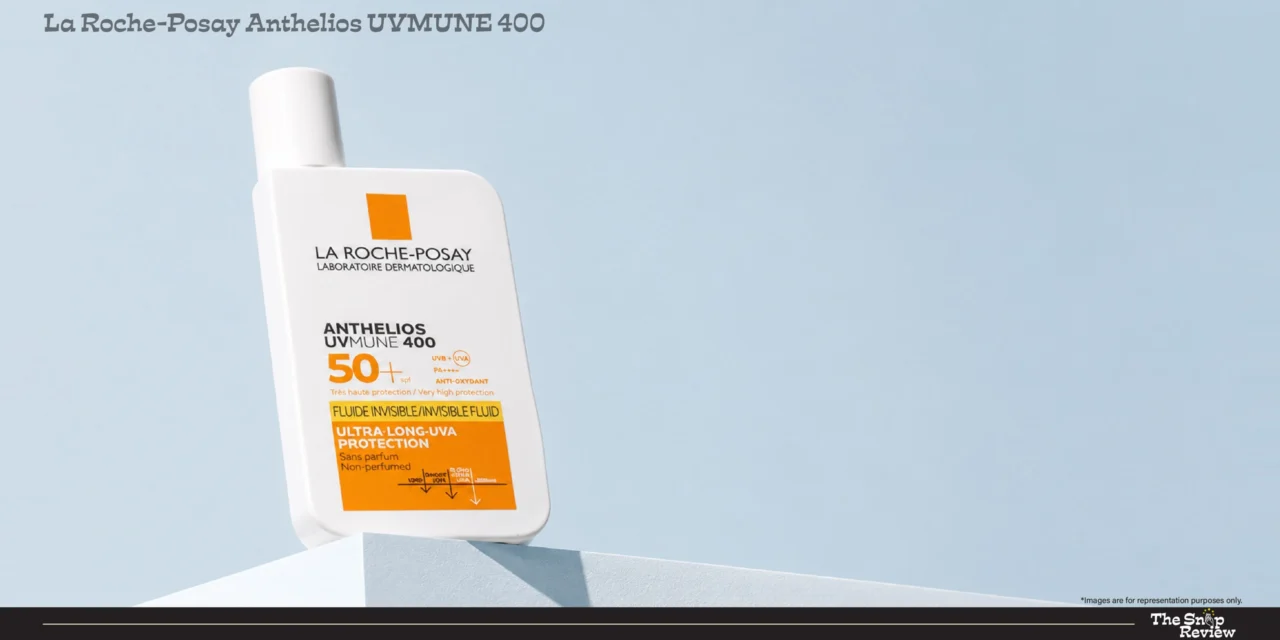
La Roche-Posay Anthelios UVMUNE 400
Price: Rs. 750–1000 (50 ml)
SPF: 50+ PA++++
Best For: Sensitive skin, premium daily use
What We Like
La Roche-Posay Anthelios UVMUNE 400 is the sunscreen that dermatologists in India recommend time and again, and after using it honestly, you understand why.
It contains Mexoryl 400 and Mexoplex technology, which not only provides normal UVA-UVB protection, but also protects against ultra-long UVA rays. These are the rays that are the main cause of pigmentation, tanning, and early aging, and most sunscreens don’t cover them properly.
Speaking of texture… a completely invisible finish. It feels like a lightweight moisturizer, with no sunscreen-like tackiness, heaviness, or white cast. This is a game changer especially for those with sensitive skin who experience irritation, burning or breakouts from almost every sunscreen, for them this is usually a safe option.
And the good news is La Roche-Posay is now officially available in India on Nykaa and Amazon. Meaning no more tension of buying from the grey market, no more drama of overpricing. Their Anthelios range is dermatologically tested and specially formulated keeping in mind sensitive, reactive skin.
What Could Be Better
Now coming to the biggest issue is the price. Rs. 750–1000 for 50 ml, which means it clearly falls in the premium sunscreen category. If you usually use a sunscreen costing Rs. 300–500, then this price jump will feel a bit high. And since sunscreen should be applied in proper quantity (good amount for face + neck), one tube will not last as long as you expect at this price.
Another important point of authenticity concern. Some people on Amazon India have said in their reviews that when buying from third-party sellers, there is doubt whether the product is original or not. If a product like sunscreen turns out to be fake, then it can also cause damage to the skin, not just loss of money.
So the safest option is to buy from Nykaa, where La Roche-Posay is officially available. This assures you of a genuine product and eliminates the risk of counterfeiting.
Real Talk
This sunscreen can be a bit of an investment but honestly, worth it, especially if your skin is sensitive, reacts easily, or you struggle with sun damage, tanning, pigmentation. Le Roche-Posay Anthelios UVMUNE 400 is perfect for those who want not just a basic SPF, but the best possible sun protection that actually works in the Indian sun. It feels comfortable on the skin and is considered quite reliable even for sensitive skin. If budget is not your main issue and you prioritize skin health, then this easily becomes the strongest option in this category.
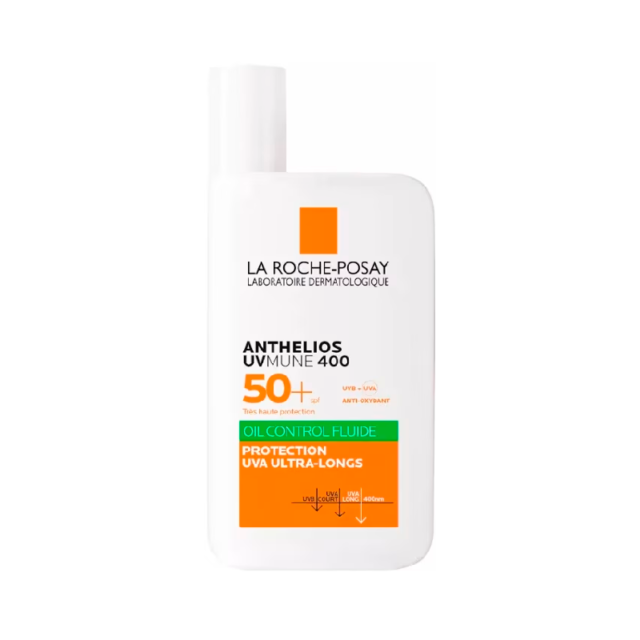
La Roche-Posay Anthelios UVMUNE 400
Price: Rs. 750–1000 (50 ml)
SPF: 50+ PA++++
Best For: Sensitive skin, premium daily use
Disclaimer : We are a product review website providing honest opinions based on extensive research. Prices mentioned are approximate and may vary.
How to Choose the Right Sunscreen for Your Skin
Know Your Skin Type First
This may sound obvious, but many people buy sunscreen not based on their skin type, but on what a friend told them to or what looked good on the shelf. Oily skin needs a matte finish and a non-comedogenic formula, which does not clog pores and does not feel chippy. Dry skin prefers a hydrating, cream-based sunscreen, which provides moisture along with protection. Those with sensitive skin should go for mineral sunscreen or dermatologist tested formulas, which reduce the risk of irritation. Combination skin usually suits a balanced texture, neither too oily nor too drying.
Understand SPF and PA Ratings
SPF tells how much the sunscreen protects you from UVB rays, the same rays that cause sunburn. PA rating tells you the protection against UVA rays, these rays penetrate deeper into the skin and are the main reason for tanning, dark spots, pigmentation and early ageing. In a country like India, where the sun is strong, you should use a minimum of SPF 30 and PA+++ daily. But if you want the best daily protection, especially from March to October, when UV levels are at their peak, then SPF 50 with PA++++ is considered the gold standard.
Chemical vs. Mineral — Which Should You Pick?
Chemical sunscreens that contain filters like Avobenzone, Octocrylene absorb UV rays and convert them into heat before releasing them from the skin. Their texture is usually lightweight, blends easily, and gives an invisible finish on the skin, hence many people prefer them for daily wear. Mineral sunscreens like Zinc Oxide, Titanium Dioxide work a little differently. They sit on the skin and physically block or reflect UV rays. These are generally considered gentler for sensitive skin, but can sometimes leave a white cast on deeper Indian skin tones.
Reapplication Is Non-Negotiable
No sunscreen lasts all day. No matter the SPF, reapplying is essential. If you’re outside, reapply every two hours. And if you’re sweating a lot or swimming, reapply immediately afterward. This habit becomes even more important in the Indian summer because sun, heat, and sweat can cause sunscreen to wear off quickly, reducing protection without realizing it. Easy trick: Keep a small, travel-size sunscreen in your bag.
Common Mistakes to Avoid When Buying Sunscreen in India
1. Applying too little – Most people don’t even apply half the amount they use. A pea-sized amount isn’t enough for a full face. Use at least a fingertip’s worth of sunscreen on your face, and spread it evenly.
2. Skipping sunscreen on cloudy days – Sunscreen isn’t just needed when the sun is shining. UV rays also penetrate clouds. In India, skin damage occurs even on overcast or monsoon days. Sunscreen should become a daily habit, whether it’s raining or shining.
3. Buying based on price alone – Cheap doesn’t mean best, and expensive doesn’t mean perfect. If a Rs. 350 minimalist sunscreen suits your skin better, it’s more useful than a Rs. 2,000 luxury import. Skin type matching is more important than price.
4. Not checking the PA rating – Everyone looks for the SPF, but the PA rating is just as important. It tells you how much a sunscreen protects against UVA rays, which are the main cause of tanning, dark spots, and early aging. Always look for PA++++ on the label.
5. Applying sunscreen as the first step – Sunscreen is the last step in skincare. First, cleanser, toner, serum, moisturizer, and then sunscreen. It sits on top of the skin like a protective shield. Applying other products after sunscreen can disrupt its protection.
Frequently Asked Questions
Q: Do I really need sunscreen every single day in India?
In India, UV rays are present year-round, whether it’s winter or monsoon. Sun damage doesn’t just happen in summer. Even a little unprotected sun exposure every day is the biggest cause of tanning, dark spots, pigmentation, and premature aging. So, don’t consider sunscreen an optional step. Make it a non-negotiable part of your morning routine, like brushing your teeth. It’s honestly one of the highest-impact skincare decisions you can make for long-term skin health
Q: Can I wear sunscreen under makeup?
You should apply sunscreen after moisturizer and before foundation or concealer. It’s the last step in skincare and forms the base for makeup. Wait 2–3 minutes after application to allow the sunscreen to set properly. Layer makeup afterward, or the product may move or look patchy. Matte-finish sunscreens like Re’equil Ultra Matte and Neutrogena Ultra Sheer work especially well under makeup. They have a slightly primer-like effect, smoothing skin and helping control excess oil.
Q: Which sunscreen is best for Indian skin specifically?
Indian skin tones and types are quite diverse, but 3 things are most important when choosing a sunscreen: No white cast Does not leave a white layer on the skin Sweat-resistance Lasts in heat and sweat Broad-spectrum PA++++ protection – strong UVA + UVB defence All the sunscreens on this list have been chosen keeping these points in mind. If your skin tone is on the deeper side, chemical sunscreens like Neutrogena and Minimalist work especially well, as they blend into the skin and there is almost no issue of white cast.
Q: How much sunscreen should I actually apply?
Dermatologists say that for proper protection, you should apply approximately 2 milligrams of sunscreen per square centimeter. In simple words, a fingertip’s worth of sunscreen is the minimum amount for just the face. The problem is that many people apply much less than this and then say that sunscreen doesn’t work. In reality, sunscreen will only work when there is a sufficient layer on the skin that can properly block UV rays.
Q: Is SPF 50 enough, or should I go for higher SPF?
SPF 50 already blocks around 98% of UVB rays. Using SPF 70 or SPF 100 increases the protection slightly, to a maximum of around 99%. Meaning the number looks bigger, but the difference is not that huge. What actually matters more is reapplication. If you reapply SPF 50 sunscreen every 2 hours, it will be more effective than SPF 100 which you apply only in the morning and then forget about.
Disclosure: We are a product review website providing honest opinions based on extensive research and real-world usage analysis. Prices mentioned are approximate and may vary based on sales, offers, and platform-specific discounts at the time of purchase. We are not affiliated with any of the brands reviewed. Always check the latest prices and availability directly on Amazon India, Nykaa, Myntra, Tira, or Flipkart before buying.