Best Moisturizers in India
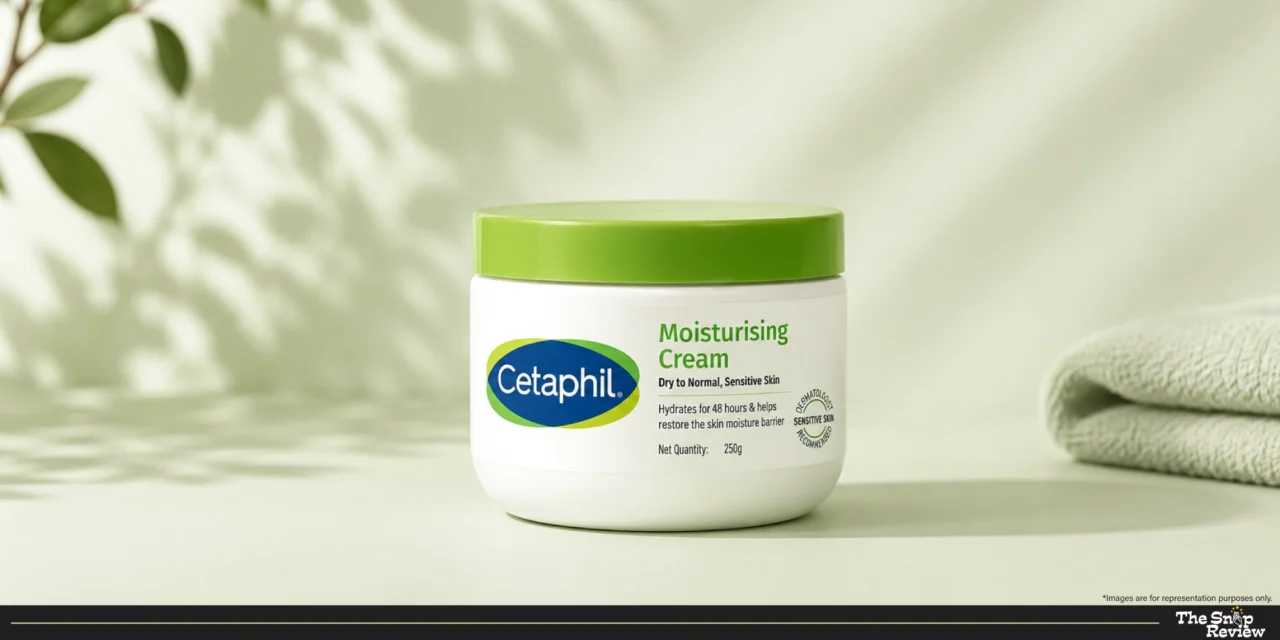
Cetaphil Moisturizer Cream
Price Range: Rs. 797-899
Key Ingredients: Niacinamide, Glycerin
Skin Type: Dry and sensitive skin
Best For: Barrier repair, sensitive skin, winter dryness
What We Like
Cetaphil has honestly earned its dermatologist recommended status. Its combination of niacinamide and glycerin not only instantly hydrates skin, but also strengthens the long-term skin barrier. Niacinamide isn’t just an Instagram trend; it’s a clinically proven ingredient that reduces inflammation, minimizes pores, and strengthens the skin’s protective layer. Glycerin attracts moisture, like a magnet, and keeps skin soft and hydrated.
If your skin has been damaged by harsh products, excessive exfoliation, or medical treatments, this barrier can be a great help in repairing it. Sometimes we use so many actives or strong cleansers that the skin’s natural barrier gets weakened, at such times it helps in rebuilding it. Those who suffer from eczema, rosacea or sensitivity have also noticed improvement after using it regularly.
Its texture is also quite good. Despite being a cream, it does not feel too greasy and gets absorbed into the skin easily. Even those with combination skin can use it comfortably in winters, but those with oily skin may find it a bit heavy in summers.
Beauty bloggers also praise its gentleness and effectiveness. And best of all, it’s readily available and reasonably priced, whether you buy it online or in-store.
What Could Be Better
Cetaphil is priced between Rs. 400-600, which falls into the mid-range category. The quality is good and doesn’t feel like a waste of money, but honestly, it’s a bit more expensive than regular drugstore moisturizers. If you’re on a tight budget or need to use it daily on large areas of your body, it may feel a bit costly in the long run.
Its creamy texture is quite soothing for dry and sensitive skin, but those with oily or combination skin may find it a bit heavy, especially in the Indian heat and humidity. In coastal cities like Mumbai or Chennai, this cream can feel a bit too rich from May to September, so people usually prefer a lighter moisturizer during that time.
The packaging is simple and functional, but not everyone finds the tub format hygienic. Repeatedly dipping your fingers in the tub poses a risk of bacteria. If you’re concerned about hygiene, use a small spatula or transfer the cream to a pump bottle.
Real Talk:
Cetaphil is essentially the moisturizer that even doctors recommend and generally doesn’t disappoint. It may seem a little boring because it doesn’t have any fancy marketing, but it does a solid job. It’s reliable for sensitive skin, irritated skin after treatment, or extra dryness in winter. If your skin reacts quickly or has problems with new products, Cetaphil is a safe choice.
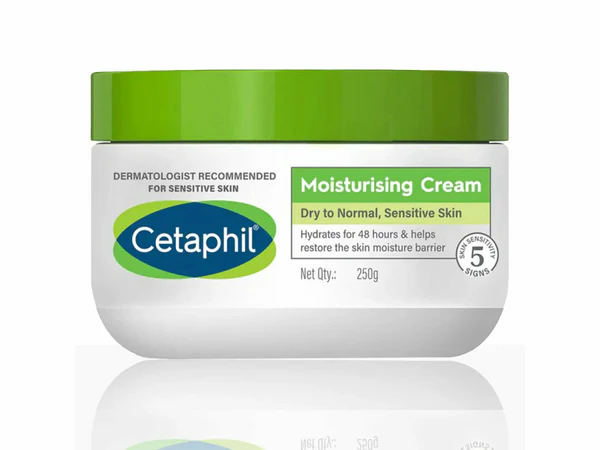
Cetaphil Moisturizer Cream
Price Range: Rs. 797-899
Key Ingredients: Niacinamide, Glycerin
Skin Type: Dry and sensitive skin
Best For: Barrier repair, sensitive skin, winter dryness
Disclaimer : We are a product review website providing honest opinions based on extensive research. Prices mentioned are approximate and may vary.
How to Choose the Right Moisturizer for Your Needs?
Consider Your Skin Type and Concerns –
Dry Skin: If your skin is dry, use a thick, creamy moisturizer containing glycerin, hyaluronic acid, ceramides, or oils. These provide deep hydration and long-term control of dryness.
Oily Skin: Avoid heavy creams for oily skin. Use a light gel or lotion that hydrates the skin without leaving it feeling sticky. This controls excess oil and prevents the face from looking overly shiny.
Combination Skin: Combination skin tends to have some areas that are dry and some that are oily, so choose a moisturizer that balances both. It should be neither too heavy nor too light, just enough to make the skin feel comfortable.
Sensitive Skin: Those with sensitive skin should use fragrance-free moisturizers with simple ingredients. These do not irritate the skin and help strengthen the skin barrier.
Common Mistakes to Avoid When Choosing Moisturizers
Skipping Moisturizer Because You Have Oily Skin The Truth: If your skin is oily, it doesn’t mean it doesn’t need hydration. When you don’t apply moisturizer, your skin starts producing more oil because it feels dry. This makes your face greasy.
What to do: Use a lightweight, oil-free moisturizer. When skin is properly moisturized, oil is kept under control.
Using Body Moisturizer on Your Face The truth: Facial skin is softer and more sensitive than body skin. Body lotions are a little heavier and sometimes have too much fragrance, which can cause breakouts on the face.
What to do: Use a separate face moisturizer for your face. Keep body lotion only for your body. The simple rule is, use face products for your face and body products for your body.
Not Testing for Allergies or Irritation the Truth: Not every product suits everyone. Even if a product is very popular or recommended by a dermatologist, your skin may react differently.
What to do: Do not apply a new product directly to your face. First test a little on your inner arm or behind your ear for 24-48 hours. If there is redness or itching, then that product is not for you. Simple.
Applying Moisturizer to Completely Dry Skin the Truth: Moisturizer works best when the skin is slightly damp. It is not as effective if applied on completely dry skin.
What to do: Apply moisturizer within 2-3 minutes after face wash or shower. Pat dry with a towel, but keep the skin slightly damp. This locks the moisture.
Using Too Much or Too Little Product, the Truth: Applying too much product does not improve the skin, it just wastes the product and makes the face look sticky. Applying less product does not provide proper coverage.
What to do: A coin sized amount is enough for the face. For the body, apply just enough so that it spreads evenly. The skin should feel moisturized, but not shiny or sticky.
Frequently Asked Questions
Q: How much moisturizer should I actually use?
For face:
A nickel-sized amount (around 1/4 teaspoon) is sufficient. If your skin is dry, you can use a little more. If you have oily skin, a little less is sufficient.
For the body: Apply enough to each area to form a thin, even layer. Generally, around 1–1.5 ounces, the size of a small shot glass, is enough for the entire body. However, this depends on your body size and how dry your skin is.
Most important thing: After applying moisturizer, the skin should feel soft and comfortable, not sticky or greasy. If the product still feels like it’s sitting on the skin after 2-3 minutes, then you’ve applied too much. And if the skin feels tight or flaky, then add a little more.
Q: Can I use the same moisturizer for day and night?
Generally speaking, you can use the same moisturizer both day and night, especially the products mentioned above. The main difference between day and night moisturizers is that night creams are usually a little richer and heavier, as you don’t have to apply makeup at night and there’s no stress of pollution.
What to do at night: You can apply the same moisturizer a little more generously at night. Or you can use a slightly richer option, like Cetaphil Cream. At night, the skin is naturally in repair mode, so extra hydration supports the process.
If the skin is very dry: Use a lightweight moisturizer during the day and a richer cream at night. If the skin is oily: Use your regular moisturizer at night. If you are using a hydrating sunscreen in the morning, you may even want to skip a separate moisturizer.
Q: How long before I see results from a new moisturizer?
Immediate effects (within hours): What should you feel after applying moisturizer? Skin should feel a little softer, hydrated, and tightness should decrease. These are basic signs that moisturization is working. Short-term effects within 1–2 weeks: Skin texture will improve. Flakiness will decrease. Face will appear a little more even and healthy. At this time, you will understand whether the product suits your skin type or not. Long-term effects after 4–6 weeks: Skin barrier becomes stronger. Sensitivity decreases. Overall skin health improves. If the product contains ingredients like niacinamide, their full benefits also become visible around this time.
Use a new moisturizer for at least 2–3 weeks before deciding whether it’s working. But if you experience redness, burning, or breakouts early on, stop using it immediately. Remember, it takes around 28 days for skin cells to renew themselves. So, some patience is required to see real, visible improvement.
Disclosure: We are a product review website providing honest opinions based on extensive research and real-world usage analysis. Prices mentioned are approximate and may vary based on sales, offers, and location. We may earn a small commission if you purchase through our links, at no extra cost to you. This helps us keep our research independent and unbiased, allowing us to continue providing honest moisturizer reviews for Indian users.